Variety Over Rigidity
Changing positions regularly is more beneficial than holding one posture for extended periods. We teach rotation strategies for desk workers and active individuals alike.
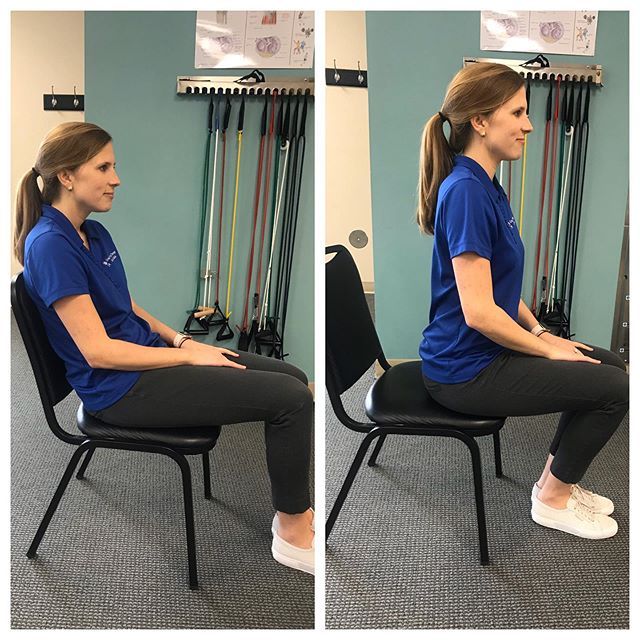
Discover how small, consistent habits can support your alignment awareness throughout the day. Our educational content covers practical non-medical approaches to sitting, standing, and transitioning between activities.
Request GuidancePosture care refers to the ongoing practice of paying attention to how your body is positioned during daily activities. It is not about maintaining a single rigid shape, but rather about developing awareness and making thoughtful adjustments as you move through your day.
At Organicorganic, we frame posture care as an educational discipline — one that combines ergonomic knowledge with personal observation. Our guidance is informational and intended to supplement, not replace, professional healthcare when needed.
Changing positions regularly is more beneficial than holding one posture for extended periods. We teach rotation strategies for desk workers and active individuals alike.
Learning to notice tension, fatigue, and comfort levels helps you make informed adjustments without external pressure or unrealistic benchmarks.
Your furniture, tools, and workspace layout influence how naturally you can vary your positions throughout the day.
Short, regular check-ins build consistent awareness more effectively than occasional intensive sessions.
The first hour after waking sets a tone for how you carry yourself. We recommend gentle mobility sequences — not strenuous exercises — to introduce movement variety before settling into sedentary tasks.
Simple actions like rolling your shoulders, shifting weight between feet while standing, and taking a brief walk before sitting at a desk can establish an awareness baseline for the rest of the day.
Stand while drinking water to begin the day in an upright position.
Spend three to five minutes on light neck, shoulder, and hip movements.
Review your workspace setup before beginning focused work.
Prolonged sitting is common in modern work environments. Our educational materials address chair height, lumbar support placement, foot positioning, and the importance of micro-breaks every twenty to thirty minutes.
We emphasize that no single sitting position is universally correct. Instead, alternating between slightly different angles and using supportive props when needed may support greater comfort during extended static postures.
Choose seating that allows your feet to rest flat and your hips to sit slightly above knee level.
Place monitors at eye level to reduce forward head tilt during reading and typing tasks.
Set reminders to stand, stretch, or walk briefly at regular intervals throughout the day.
Standing desks and counter-height workspaces have become popular alternatives to traditional seating. Our educational content covers weight distribution, footwear considerations, and alternating between sitting and standing.
Shift your weight between legs periodically rather than locking your knees or leaning consistently to one side. A soft mat can provide cushioning during extended standing periods.
Supportive, flat-soled shoes contribute to stable standing alignment.
Adjust standing desk height so elbows rest near ninety degrees during typing.
A recommended pattern is thirty minutes sitting followed by fifteen to twenty minutes standing, adjusted to personal comfort.
Short activity pauses interrupt prolonged static positions and reintroduce circulation to muscles that may become stiff during focused work. Our programs include curated break sequences ranging from thirty seconds to five minutes.
Thirty-second shoulder rolls and wrist circles performed at your desk without leaving your workstation.
Two to three minute walks around your home or office floor to reset your body's position.
Five-minute guided sequences combining standing stretches and breathing awareness exercises.
These reflection prompts help you observe your own habits. They are not diagnostic tools and should not be used to evaluate medical conditions.
Track which activities and times of day you feel most and least comfortable in your current position.
Observe whether certain tasks — such as phone use or reading — lead to consistent position changes.
Keep a simple log of changes you make and how they affect your comfort over several days.
Browse our educational products or schedule a consulting session to receive personalized non-medical guidance tailored to your daily routine.